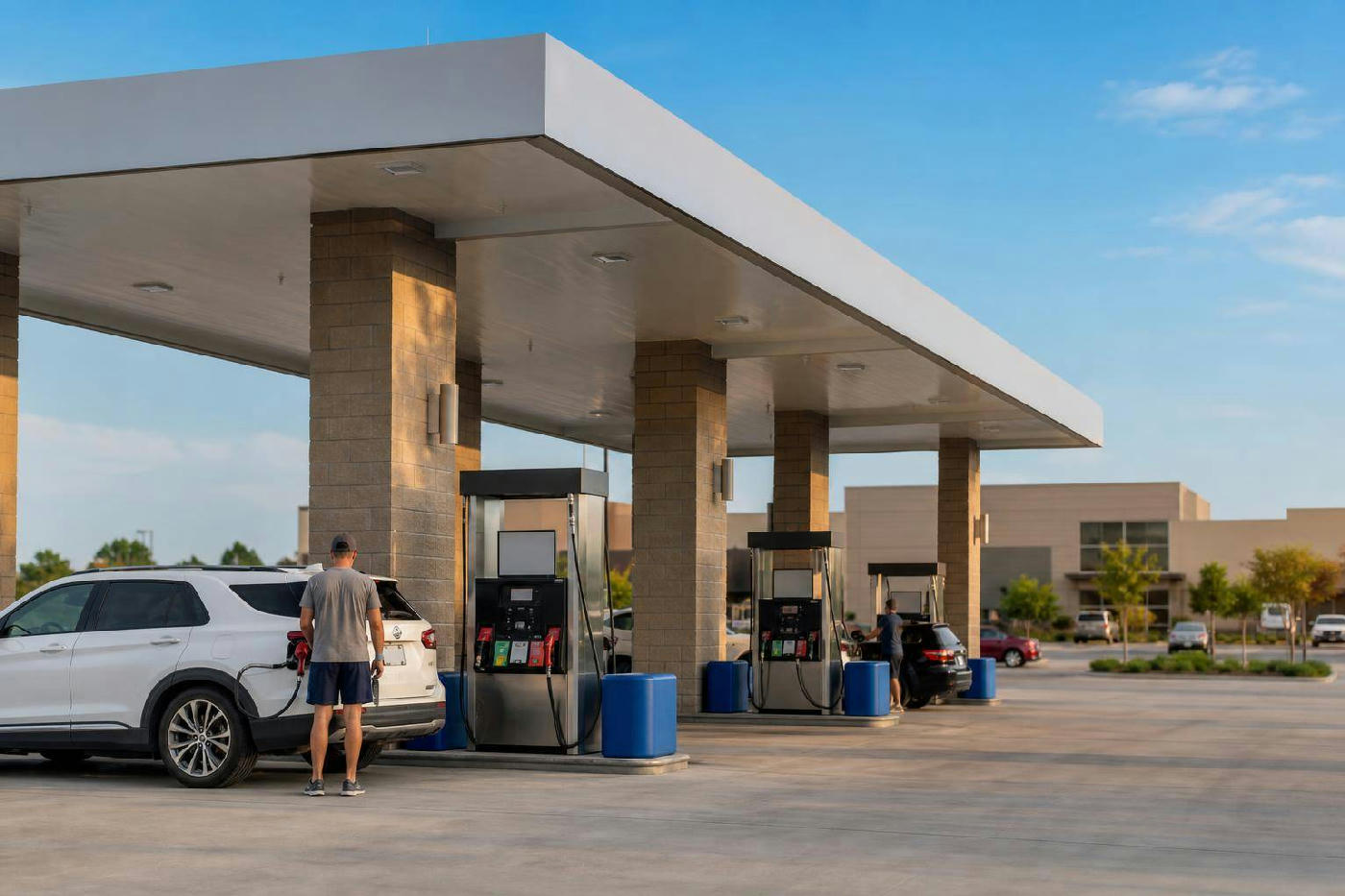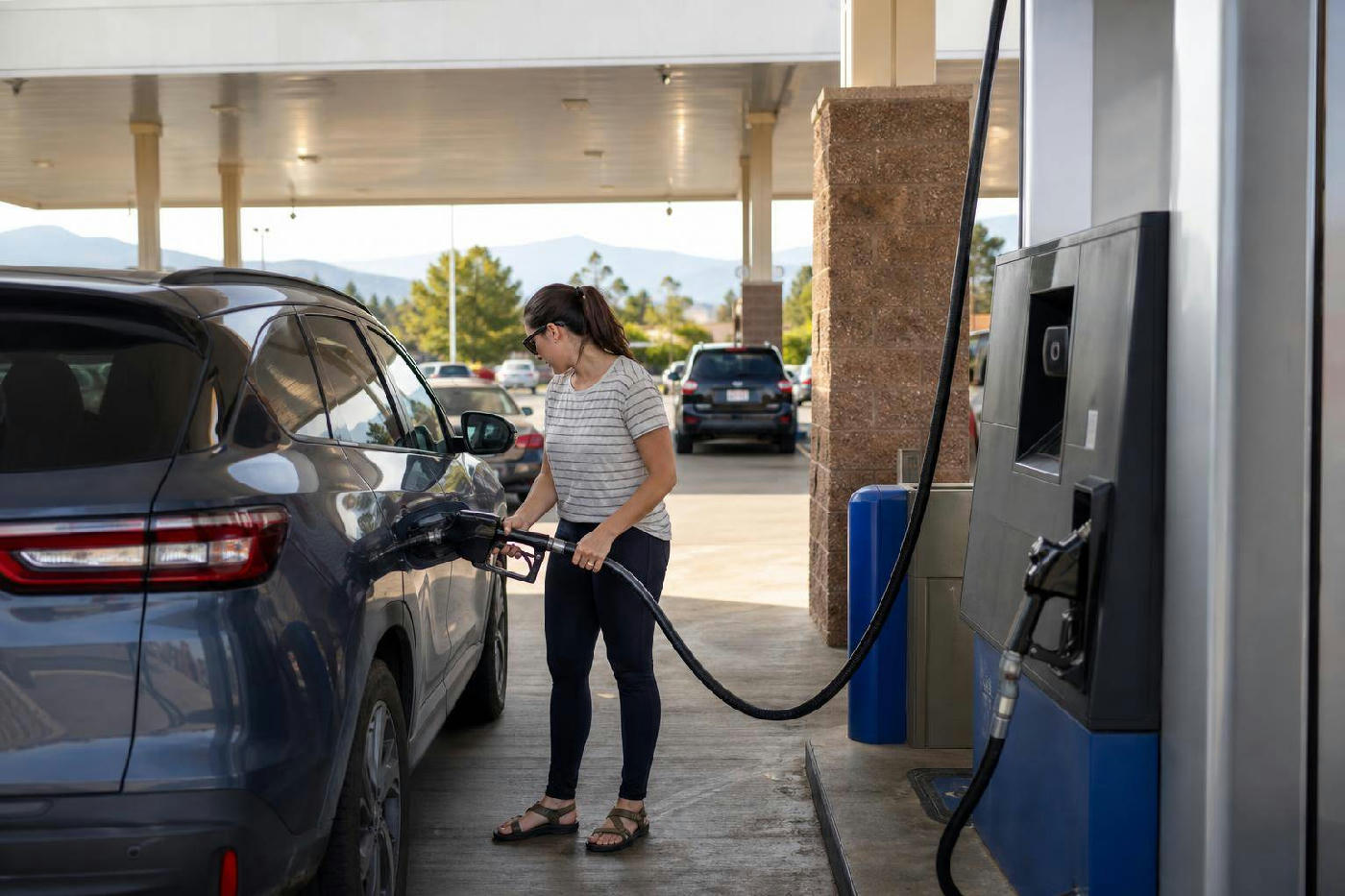
Costco has become a household name for bulk shopping and value deals, but what about the quality of its gasoline? As a Top Tier certified fuel, Costco gas has sparked discussions among drivers and industry experts alike. This comprehensive review delves into the quality, performance, and potential drawbacks of Costco gasoline, comparing it with other major brands and exploring real-world customer experiences. Whether you're looking for cost savings or reliable performance, this guide will help you understand if Costco gas vs. Competitors is the right choice for your vehicle.
Understanding Costco's Top Tier Gasoline Certification
Costco's gasoline is certified as Top Tier, a designation that assures consumers of higher-quality fuel that meets strict performance standards. This certification is not just a marketing gimmick; it requires fuel to contain a specific level of detergent additives that help keep engines clean and running efficiently. Top Tier gas is endorsed by major automakers, which means that using it can potentially improve your car's performance and longevity.
The critical factor: Top Tier certification ensures that the gasoline contains additives that exceed the minimum requirements set by the Environmental Protection Agency (EPA). These additives are crucial for reducing carbon deposits in engines, which can lead to improved fuel economy and reduced emissions.
Costco's commitment to providing Top Tier gasoline aligns with its overall business model of offering high-quality products at competitive prices. By securing this certification, Costco positions itself as a reliable source of fuel that meets the needs of a wide range of vehicles.
However, it's important to understand that while the certification guarantees a certain level of quality, it doesn't necessarily mean that all Top Tier fuels are identical. Each brand may use different additives or formulations, which can influence performance and efficiency.
Is Costco Gas Good? Examining the Quality and Performance
Many drivers ask, "Is Costco gas good?" The answer largely depends on your specific needs and expectations. Costco's gasoline is designed to meet high standards, which has earned it a reputation for reliability and quality. The Top Tier certification plays a significant role in this perception, as it indicates that the fuel is formulated to improve engine cleanliness and performance.
Performance metrics: Drivers often report that their vehicles run smoothly on Costco gas, with some noticing improved mileage compared to non-Top Tier fuels. Additionally, the consistent quality across Costco locations adds to its appeal, as consumers can expect the same standard no matter where they fill up.
Where competitors fall short: Unlike some other retailers, Costco maintains strict control over its fuel supply chain, which contributes to its ability to offer high-quality gasoline at lower prices. This commitment to quality can make a noticeable difference in engine performance, especially over time.
Ultimately, whether Costco gas is "good" can be subjective. For most drivers, the combination of quality, performance, and cost savings makes it an attractive option. However, individual experiences may vary, and it's crucial to consider your vehicle's specific requirements and how it responds to different fuels.
Comparing Costco Gasoline to Other Brands: Shell, Chevron, and More
In the competitive world of gasoline retail, Costco stands out for its commitment to quality and value. But how does it measure up against other well-known brands like Shell and Chevron? To answer this, it's essential to consider factors such as fuel quality, additive packages, and price points.
Shell's Performance and Additives
Shell is renowned for its premium fuels, which feature advanced additive packages designed to enhance engine performance and fuel efficiency. Shell V-Power, for example, is marketed as a performance fuel that helps clean and protect the engine. This makes it a popular choice for drivers of high-performance vehicles.
Comparison point: While both Costco and Shell offer Top Tier certified fuels, Shell's focus on premium additives may provide additional benefits for specific types of engines. However, this often comes at a higher price, which may not be justified for all drivers.
In terms of cost, Costco generally offers more competitive pricing, making it an appealing option for budget-conscious consumers who still want quality assurance. The trade-off may be in the incremental performance benefits offered by Shell.
Chevron's Techron Advantage
Chevron is another major player in the fuel industry, known for its Techron additive technology. Techron is designed to clean and protect the engine, improving power and performance over time. Chevron's reputation for quality is backed by extensive research and development efforts.
Drawback consideration: Like Shell, Chevron's premium offerings tend to be priced higher than Costco's fuel. However, drivers who prioritize engine cleanliness and efficiency may find the additional cost worthwhile for the benefits provided by Techron.
Overall, both Shell and Chevron offer robust additive packages that can enhance performance, but at a higher cost compared to Costco. For everyday driving needs, Costco's Top Tier gas provides a balanced combination of quality and affordability.
The Science Behind Costco's Fuel Additives
Fuel additives play a crucial role in determining gasoline quality and performance. Costco's Top Tier gasoline incorporates a specific blend of additives designed to enhance engine cleanliness and efficiency. Understanding the science behind these additives can help consumers appreciate the benefits they provide.
The Role of Detergents
Detergents are a key component of fuel additives, designed to clean the engine by removing carbon deposits that accumulate over time. These deposits can negatively affect engine performance, fuel economy, and emissions. By incorporating effective detergents, Costco's fuel helps maintain optimal engine operation.
Effectiveness insight: The detergents used in Top Tier fuels are formulated to work across a wide range of temperatures and conditions, ensuring consistent performance. This makes them especially valuable for drivers who frequently engage in stop-and-go driving or operate their vehicles in harsh environments.
Costco's adherence to Top Tier standards means that its gasoline contains higher concentrations of these detergents compared to non-certified fuels, providing an extra layer of protection for your engine.
Corrosion Inhibitors and Stability
In addition to detergents, Costco's fuel additives may include corrosion inhibitors and stability agents. Corrosion inhibitors help protect the fuel system from rust and corrosion, which can be particularly beneficial for vehicles that are not driven regularly.
Stability factor: Stability agents prevent the degradation of fuel over time, ensuring that it remains effective even after extended storage. This is important for maintaining fuel quality and performance, especially for vehicles that may sit idle for long periods.
The combination of these additives in Costco's gasoline offers comprehensive protection and performance benefits, making it a reliable choice for a wide range of driving conditions and vehicle types.
Practical Benefits: Mileage and Cost Savings with Costco Fuel
One of the most appealing aspects of Costco gasoline is the potential for cost savings and improved mileage. By offering high-quality fuel at competitive prices, Costco provides an attractive option for drivers looking to reduce their fuel expenses without sacrificing performance.
Cost-saving advantage: Costco's pricing strategy is often more competitive than other retailers, thanks to its bulk purchasing power and member-based model. This allows consumers to save money on each fill-up, which can add up significantly over time.
Additionally, the Top Tier certification ensures that drivers are getting a quality product that can enhance fuel efficiency. Cleaner engines tend to run more efficiently, which can lead to better mileage and lower overall fuel consumption.
For budget-conscious drivers, the combination of lower prices and potential mileage improvements makes Costco gas an appealing choice. However, it's important to consider individual driving habits and vehicle requirements to determine the true value of these savings.
Potential Drawbacks: Common Concerns and Misconceptions
Despite its many advantages, Costco gas is not without its potential drawbacks and misconceptions. Some drivers express concerns about the quality and consistency of the fuel, while others worry about compatibility with certain vehicles.
Misconception alert: One common misconception is that Costco gas is of lower quality due to its lower price. However, the Top Tier certification debunks this myth, as it ensures a high standard of quality and performance.
Another concern is the potential for variability in fuel quality between different Costco locations. While the company maintains strict quality control measures, individual experiences may vary based on regional supply differences and handling practices.
Some drivers also worry about the compatibility of Costco fuel with high-performance or luxury vehicles. While Top Tier gas is generally suitable for a wide range of vehicles, it's always wise to consult your owner's manual or a trusted mechanic to ensure compatibility.
Comprehensive Breakdown: Key Differences & Comparison Table
To better understand how Costco gas compares to other major brands, let's examine the key differences in a structured format. This comparison will highlight factors such as price, additive technology, and overall value.
| Brand | Top Tier Certified | Additive Technology | Price Range | Overall Value |
|---|---|---|---|---|
| Costco | Yes | Standard Top Tier Detergents | Low | High |
| Shell | Yes | V-Power Additives | Medium to High | Medium |
| Chevron | Yes | Techron | Medium to High | Medium |
As seen in the table, Costco offers a compelling combination of Top Tier certification and affordability, making it a strong contender for everyday fuel needs. While Shell and Chevron provide advanced additive technologies, they come at a premium price, which may not be necessary for all drivers.
Real-World Experiences: Customer Reviews and Testimonials
Customer reviews and testimonials provide valuable insights into the real-world performance and satisfaction levels associated with Costco gasoline. Many drivers report positive experiences, citing consistent quality and notable savings.
Positive feedback: Numerous testimonials highlight the ease of access and competitive pricing of Costco gas stations. Members appreciate the straightforward process and the assurance of getting high-quality fuel without breaking the bank.
Drivers have also noted improvements in vehicle performance and fuel economy, further reinforcing the value proposition of using Costco gasoline. These experiences align with the benefits expected from Top Tier certified fuels, which are designed to enhance engine cleanliness and efficiency.
However, it's important to acknowledge that not all reviews are glowing. Some users have reported isolated incidents of longer wait times and occasional discrepancies in fuel quality. These experiences underscore the importance of individual due diligence and weighing the pros and cons based on your specific circumstances.
Expert Opinions: What Mechanics and Professionals Say About Costco Gas
To gain a deeper understanding of Costco gasoline's reputation, it's helpful to consider the perspectives of automotive experts and mechanics. These professionals often have firsthand experience with the effects of different fuels on vehicle performance and maintenance.
Mechanic insights: Many mechanics affirm the quality of Costco's Top Tier gasoline, emphasizing its effectiveness in maintaining engine cleanliness and performance. They often recommend it as a reliable option for everyday driving needs.
Industry professionals also appreciate the consistency and affordability of Costco gas, which can make a tangible difference in maintenance costs over time. By reducing carbon deposits and preventing buildup, Top Tier fuels can help extend the life of critical engine components.
While some experts may prefer premium fuels for high-performance vehicles, they generally agree that Costco gas offers excellent value for most drivers. It's essential to consider the specific needs of your vehicle and consult with a trusted mechanic to make informed fueling decisions.
Scenarios & Edge Cases: When Costco Gas May Not Be Ideal
While Costco gasoline offers numerous benefits, there are specific scenarios and edge cases where it may not be the best choice. These situations often involve unique vehicle requirements or personal preferences that necessitate alternative fueling options.
High-performance vehicles: Owners of high-performance or luxury vehicles may prefer premium fuels with proprietary additive packages designed to optimize power and responsiveness. While Costco gas meets Top Tier standards, it may not provide the same level of performance enhancement as specialized fuels.
Another edge case involves vehicles with specific manufacturer's recommendations for certain fuel blends or octane levels. It's crucial to follow these guidelines to ensure optimal performance and avoid potential warranty issues.
Additionally, drivers who prioritize convenience over cost savings might opt for gas stations with more widespread locations or 24/7 access. While Costco offers competitive pricing, its membership model and specific station hours may not suit everyone's needs.
FAQs about Costco Gas Quality Review
What is Top Tier Gas and why does it matter?
Top Tier Gas is a certification that ensures fuel contains higher levels of detergent additives. These additives help keep engines cleaner, improving performance and reducing emissions. It's important because cleaner engines can lead to better fuel economy and longer engine life.
Does Costco gas harm your engine over time?
No, Costco gas does not harm engines over time. As a Top Tier certified fuel, it contains detergents that help clean the engine and prevent harmful deposits. Regular use of Top Tier gas can actually enhance engine performance and longevity.
How does Costco gas compare to premium gasoline?
Costco gas is Top Tier certified, making it comparable to many premium gasoline options in terms of quality. However, specific premium fuels may contain additional additives tailored for high-performance engines, which could offer extra benefits for certain vehicles.
Are there any vehicles that should avoid Costco gas?
Most vehicles can use Costco gas without issues. However, some high-performance or luxury vehicles might benefit from premium fuels with specialized additives. Always consult your vehicle's manual to ensure compatibility with Costco gasoline.
Does using Costco gas void my car warranty?
No, using Costco gas will not void your car warranty. The fuel meets Top Tier standards, which are recommended by many automakers. It's always wise to follow your vehicle manufacturer's fuel recommendations.
How does Costco maintain its fuel quality?
Costco maintains fuel quality through strict supply chain controls and adherence to Top Tier standards. Their fuel is regularly tested to ensure consistency and performance, providing peace of mind for consumers.
Can I expect consistent quality across all Costco locations?
Yes, Costco strives to provide consistent fuel quality across all locations. Their commitment to Top Tier certification and quality control measures helps ensure that members receive the same high standard of gasoline at each Costco station.