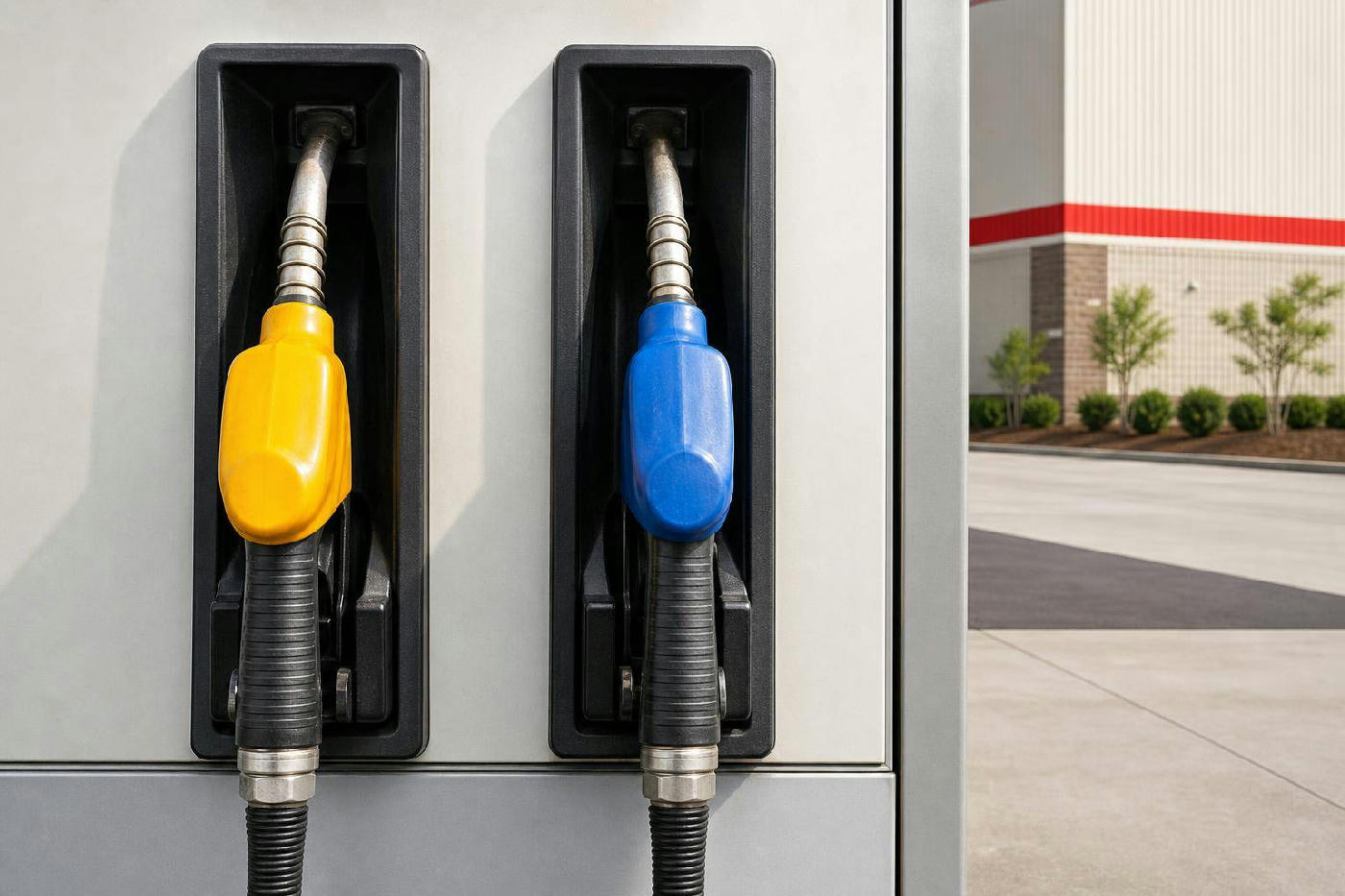
Costco's gas prices have fluctuated in recent years, leaving many consumers puzzled. As a popular destination for affordable fuel, any increase at Costco stations can significantly impact family budgets. This article explores the various reasons behind these price changes, offering insights into the factors that influence costs at the pump. From global market dynamics to local competition, understanding these elements can help consumers better anticipate and manage their fuel expenses.
Understanding the Dynamics: Why Costco Gas Prices Change
Costco is known for offering lower gasoline prices than many other retailers, but these prices are not fixed. Several factors contribute to the fluctuations, including the global oil market, regional demand, and operational costs. Each of these can independently or collectively impact Costco's pricing strategies.
Global oil market fluctuations: As a wholesale buyer, Costco is heavily influenced by global oil markets. Changes in crude oil prices directly affect gasoline costs. Political instability, natural disasters, or changes in production quotas by major oil-producing countries can lead to increased costs, which are then passed on to consumers.
Regional demand variations: Demand for gas varies widely based on location, seasonal changes, and local economic conditions. Higher demand in certain areas can lead to price increases as Costco adjusts to meet its members' needs while maintaining supply.
Operational and logistical costs: The cost of transporting fuel, maintaining infrastructure, and paying employee wages all play a role in determining the final price of gasoline at Costco. As these costs rise, so too can the price at the pump.
Volume and Demand: How High Sales Affect Costco Gas Prices
Costco's business model relies on high volume sales, allowing it to offer competitive pricing, including gasoline. However, the relationship between volume and demand can sometimes lead to price increases, even at Costco.
Impact of Bulk Purchasing on Prices
Costco buys gasoline in large quantities, enabling it to negotiate better rates than smaller retailers. This bulk purchasing power allows Costco to offer lower prices. However, when demand surges due to external factors like price hikes at competing stations, Costco's stock can deplete faster than anticipated. This need to restock quickly at possibly higher market prices can lead to temporary price increases.
Supply chain dynamics: When Costco's fuel needs exceed their usual supply, they might have to source additional gasoline at higher prices, impacting consumer costs. The increase is usually temporary until the supply stabilizes.
Member-driven demand: The large membership base at Costco means that sudden increases in member demand can lead to rapid depletion of available gasoline, necessitating price adjustments to manage supply.
Membership Growth and Fuel Demand
Costco's growing membership directly impacts fuel demand. More members equate to higher consumption, putting pressure on existing supplies and potentially leading to price increases.
Balancing supply and demand: As membership grows, maintaining a balance between supply and demand becomes crucial. Sudden spikes in member numbers can strain fuel resources, leading to price adjustments.
Strategic pricing: To manage this demand, Costco may strategically increase prices slightly to balance the supply chain, ensuring all members have access to fuel when needed.
Geographical Variations: Why Costco Gas Prices Differ by Location
Costco gas prices are not uniform across all locations. Differences often reflect regional economic conditions, supply logistics, and local market competition. Understanding why prices vary can help consumers make informed decisions about where and when to fuel up.
Regional Economic Conditions
Different regions experience varying economic pressures that impact gas prices. Factors such as local taxes, transportation costs, and regulatory requirements can lead to price disparities.
State and local taxes: Fuel taxes can differ significantly from one state to another, affecting the final price at the pump. States with higher taxes will naturally see higher gas prices.
Transportation and logistics: The cost of transporting fuel to different locations can vary based on distance, road infrastructure, and fuel availability, influencing overall pricing.
Local Market Competition
The presence of other gas stations and their pricing strategies can also affect Costco's gas prices. In areas with intense competition, Costco might lower prices to attract more customers, whereas in areas with less competition, prices might be slightly higher.
Competitive pricing strategies: In regions with many gas stations, Costco may offer lower prices to maintain a competitive edge and draw in customers who might otherwise go to a competitor.
Market dominance: In areas where Costco is one of the few options for affordable gas, prices may be higher due to less competitive pressure.
The Influence of Global Oil Markets on Costco's Pricing Strategy
Global oil markets have a profound impact on Costco's gas pricing strategy. As a bulk purchaser, Costco must navigate these volatile markets to provide the best possible prices to its members.
Oil Price Volatility
Oil prices are subject to constant fluctuations due to geopolitical events, production changes, and natural disasters. These fluctuations are directly reflected in the wholesale prices that Costco pays for fuel.
Geopolitical influences: Events such as conflicts in oil-producing regions or changes in trade policies can lead to significant changes in oil prices. Costco must adapt its pricing in response to these changes to maintain profitability.
Production and supply changes: Decisions by major oil producers to increase or decrease production can impact global oil supply and prices, which in turn affects Costco's pricing.
Hedging Strategies
To mitigate the impact of volatile oil prices, Costco may employ hedging strategies. These financial instruments allow Costco to lock in prices for future fuel purchases, providing some protection against market fluctuations.
Risk management: By hedging, Costco can reduce the risk of sudden price increases, allowing for more stable pricing for consumers.
Cost implications: While hedging can protect against price spikes, it also involves costs that may impact overall pricing structures.
Local Competition and Its Impact on Costco Gas Price Increases
Costco's pricing is also influenced by the level of local competition. In markets with numerous gas stations, competition can drive prices down, whereas in less competitive markets, prices may be higher.
Competitive Dynamics
In areas where multiple gas stations vie for consumer attention, prices are often kept low to attract customers. Costco must compete with local gas stations, which can affect its pricing strategies.
Price matching: To remain competitive, Costco may match or slightly undercut local gas prices, ensuring it retains its reputation for affordability.
Market positioning: In competitive markets, Costco positions itself as a leader in value, using its pricing as a tool to enhance brand loyalty and attract new members.
Strategic Adjustments
In less competitive areas, Costco has more flexibility in setting prices. This can lead to variations in pricing that reflect the local market dynamics rather than broader economic trends.
Localized pricing strategies: In regions with few competitors, Costco may adjust prices based on the local economic environment and consumer demand.
Flexibility and adaptation: The ability to adjust prices strategically allows Costco to maintain profitability while still offering competitive rates to consumers.
Operational Costs: How Costco Balances Pricing with Expenses
Operational costs play a significant role in determining gas prices at Costco. These costs include everything from employee wages to infrastructure maintenance, all of which must be balanced to keep prices competitive.
Infrastructure investments: Maintaining high-quality facilities requires ongoing investments. These costs can impact pricing, particularly when coupled with rising maintenance and operational expenses.
Labor costs: As employee wages increase, these costs are often reflected in the price of gasoline. Costco must balance fair compensation for workers with maintaining low prices for consumers.
Efficiency improvements: To offset rising operational costs, Costco may invest in technology and process improvements that enhance efficiency and reduce overhead, allowing for more stable pricing.
Economic Factors: Inflation and Its Effect on Costco Gas Prices
Inflation is an economic factor that can significantly impact Costco gas prices. As the cost of goods and services rises, so too does the cost of gasoline, affecting both Costco and its consumers.
Inflationary pressures: As inflation increases, the cost of fuel production and distribution rises, leading to higher prices at the pump. Costco must navigate these pressures while striving to offer competitive prices.
Market response: In response to inflation, Costco may adjust its pricing strategy to align with broader market trends, ensuring it remains competitive and profitable.
Consumer impact: Higher gas prices can affect consumer spending habits, leading to changes in how often and how much fuel consumers purchase.
Costco's Strategic Response to Global Conflicts and Gas Prices
Global conflicts can lead to significant changes in oil prices, affecting Costco's gas pricing. Understanding how Costco responds strategically to these events can provide insights into its pricing decisions.
Adaptive strategies: In times of global conflict, Costco may adopt adaptive strategies to ensure a steady supply of fuel. These can include diversifying suppliers or increasing stock levels to cushion against price volatility.
Strategic partnerships: Building strong relationships with suppliers allows Costco to negotiate better terms even during tumultuous times, helping to stabilize prices for consumers.
Proactive measures: By monitoring global events closely, Costco can proactively adjust its strategies to minimize the impact of conflicts on fuel prices, maintaining its commitment to value.
Comprehensive Breakdown: Key Differences & Comparison Table
Understanding the differences in Costco's gas pricing across various factors can be complex. The table below provides a comprehensive breakdown of these key elements, offering a clear comparison of the influencing factors.
| Factor | Impact on Prices | Example Scenario |
|---|---|---|
| Global Oil Prices | High Impact | Price increase due to geopolitical tensions |
| Local Competition | Moderate Impact | Prices lower in highly competitive markets |
| Operational Costs | Moderate Impact | Increased wages leading to slight price hike |
| Inflation | High Impact | General price increase across all regions |
| Regional Demand | Low to Moderate Impact | Higher prices in high-demand regions |
Mitigating Price Increases: Strategies for Consumers at Costco
Consumers can employ several strategies to mitigate the impact of rising gas prices at Costco. By being informed and strategic, members can continue to benefit from Costco's value offerings despite fluctuations.
Timing your purchases: Gas prices can vary throughout the day and week. Filling up during off-peak times, such as early mornings or midweek, can sometimes lead to savings.
Utilizing membership benefits: Costco members can take advantage of additional savings opportunities, such as using Costco credit cards that offer cashback on fuel purchases.
Staying informed: Regularly checking gas prices and trends can help consumers plan their purchases more effectively, taking advantage of lower prices when available.
Real-World Implications: How Rising Gas Prices Affect Costco Members
The impact of rising gas prices extends beyond the pump, affecting the broader Costco membership experience. Understanding these implications can help members adapt and make informed decisions.
Budget adjustments: As gas prices rise, members may need to adjust their budgets, reallocating funds from other areas to accommodate higher fuel expenses.
Changes in shopping habits: Higher gas prices can lead to fewer trips to Costco, affecting overall shopping habits and purchasing decisions.
Community impact: Rising prices can also affect the local communities around Costco locations, influencing everything from commuting patterns to local business patronage.
FAQs about Costco Gas Price Increase Reasons
Why are Costco gas prices typically lower than other stations?
Costco gas prices are lower due to their bulk purchasing power, which allows them to negotiate better rates. By buying in large quantities, Costco can pass these savings onto its members. Additionally, as a membership-based retailer, Costco can maintain a lower profit margin on fuel, focusing on volume sales rather than per-unit profit.
What causes fluctuations in Costco gas prices?
Fluctuations in Costco gas prices are influenced by global oil market dynamics, local competition, and operational costs. Changes in crude oil prices, geopolitical events, and regional demand all contribute. Additionally, variations in state taxes and local market conditions can lead to price changes.
How does Costco maintain customer loyalty despite price hikes?
Costco maintains customer loyalty through a combination of competitive pricing, high-quality products, and membership benefits. Even when prices rise, members find value in the overall shopping experience, including additional savings on other products and services offered by Costco.
Are there specific times when Costco gas prices are lower?
While Costco doesn't have a fixed schedule for lower gas prices, it is often cheaper to fill up during off-peak times, like early mornings or midweek. Members can also benefit from temporary promotions or discounts, typically communicated through Costco's member communications.
What role do supply chain disruptions play in pricing?
Supply chain disruptions can lead to temporary price increases as Costco may face challenges in securing adequate fuel supplies at standard rates. These disruptions can be caused by natural disasters, geopolitical tensions, or logistical issues, which may result in higher operational costs.
How can members stay informed about future price changes?
Members can stay informed about future price changes by signing up for alerts through Costco's website, checking local news for updates on oil market trends, and using mobile apps to track gas prices in their area. Staying connected through Costco's member communications is also beneficial.
Does Costco have any plans to introduce price stability measures?
While Costco continually evaluates its pricing strategies, specific measures for price stability would depend on market conditions and operational considerations. The company focuses on maintaining value for its members through competitive pricing and strategic sourcing efforts.