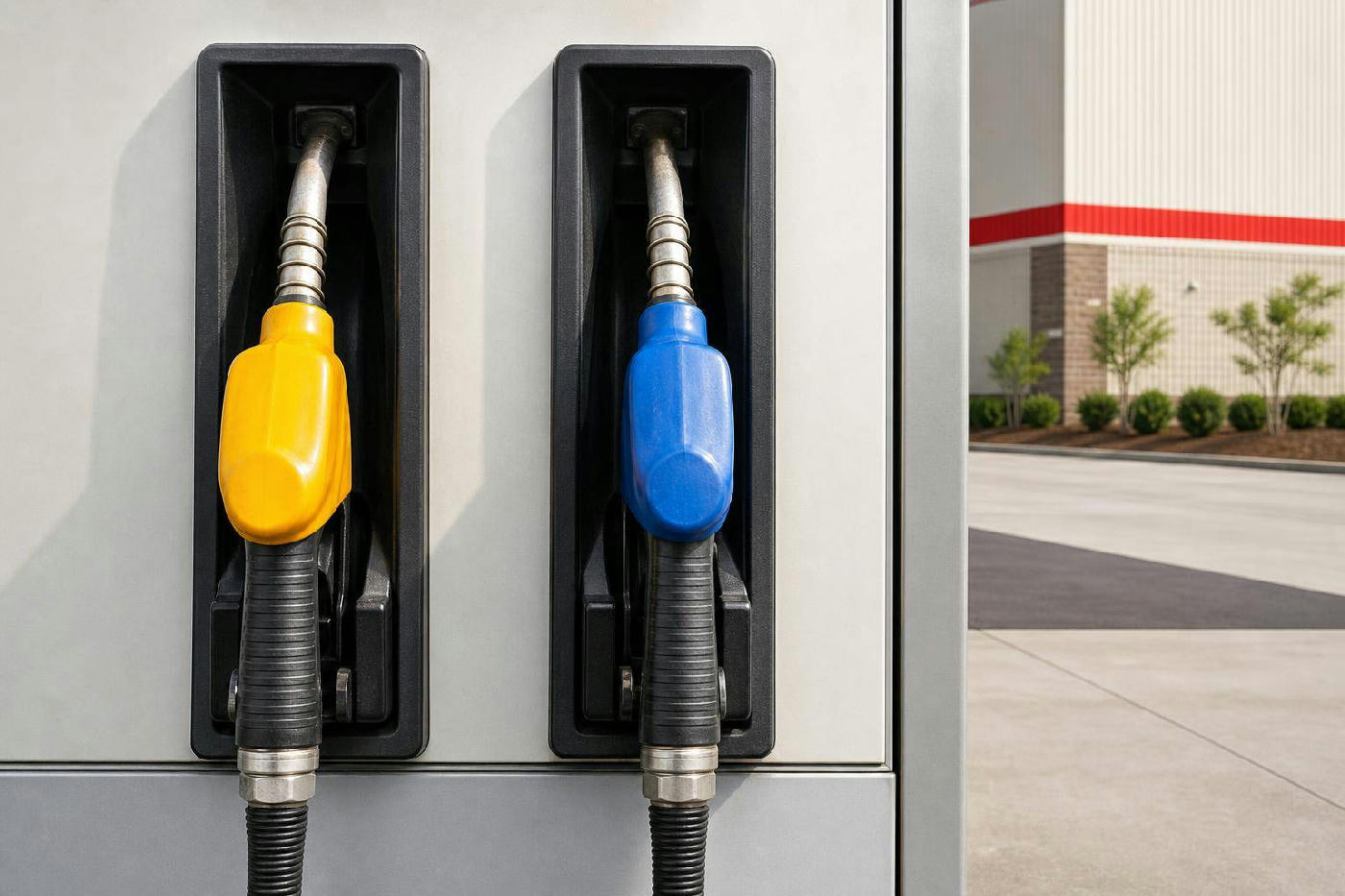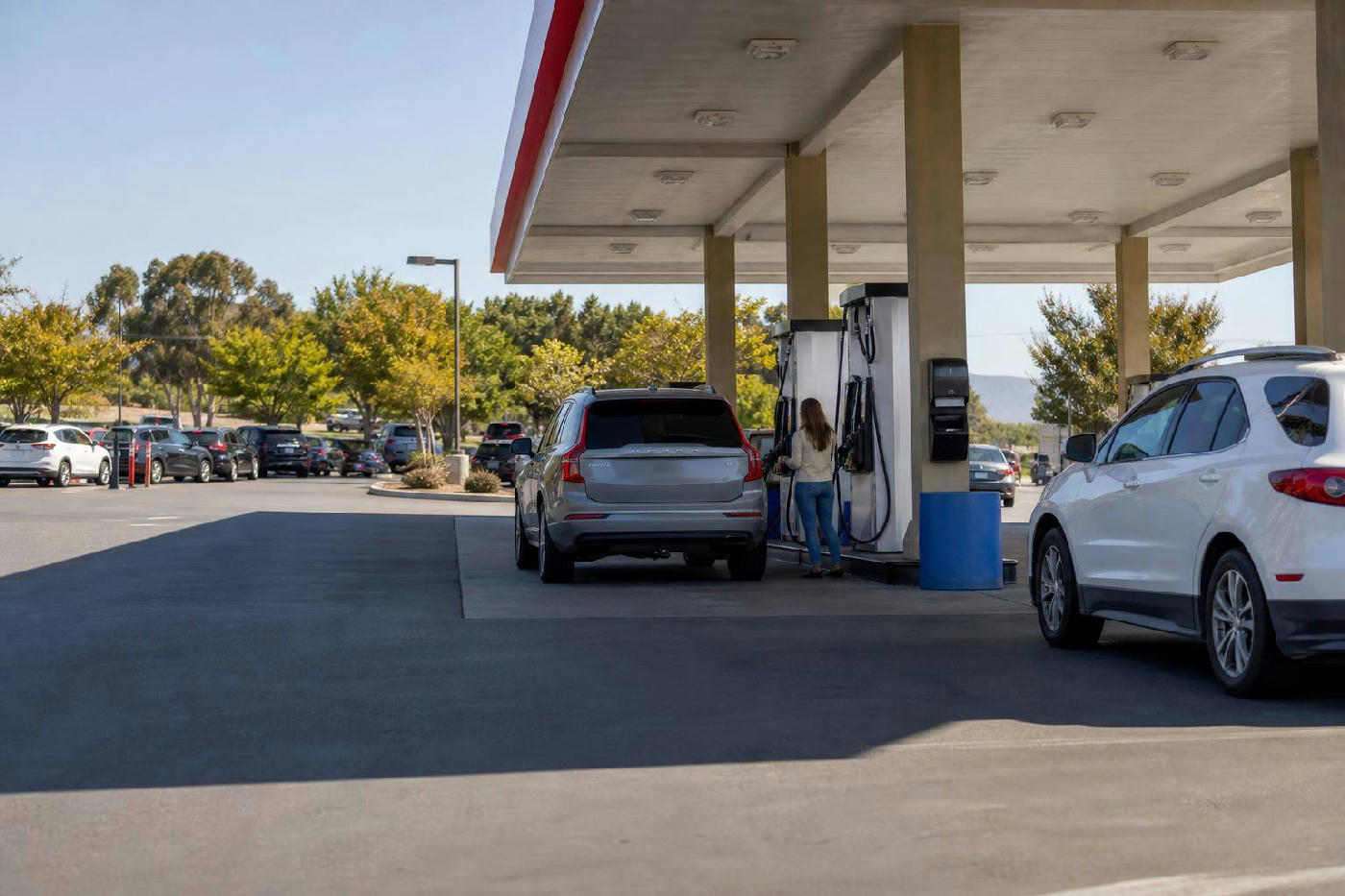
Costco is renowned for its competitive pricing, particularly at its gas stations, where prices often undercut nearby competitors. However, frequent drivers may notice that these prices aren't consistent across all locations or even over time. Why do Costco gas prices vary so much? This article delves into the complex factors influencing these fluctuations, offering insights into Costco's pricing strategies, local market dynamics, and the broader economic influences at play.
The Dynamics of Costco Gas Price Variations
Costco's gas prices are subject to fluctuations due to a myriad of factors. Understanding these dynamics requires a closer look at both internal strategies and external pressures that influence pricing. From local competition to regional taxation, these elements converge to create the varying price landscape observed at different Costco locations.
The primary drivers: Local market conditions and Costco's commitment to competitive pricing play significant roles. For instance, gas prices can vary depending on the number of nearby competitors and their pricing strategies. Additionally, regional economic conditions and operational costs impact how Costco sets its prices across different locations.
Operational efficiencies: Costco's business model emphasizes bulk purchasing and efficient logistics, which generally allows them to offer lower prices. However, these efficiencies can only stretch so far when external factors like taxes and fuel supply costs come into play. Understanding how these elements interact is crucial for comprehending the variability in Costco's gas prices.
Member-centric pricing: Costco aims to offer value to its members, often leading to lower gas prices. However, maintaining this value proposition requires balancing competitive pricing with sustainable business operations. In regions with higher operational costs, prices might be slightly elevated compared to other areas.
Understanding Costco's Gas Pricing Strategy
At the heart of Costco's pricing strategy is its commitment to providing exceptional value to its members. This commitment is evident in its gas pricing approach, which often involves undercutting local competitors to drive customer loyalty and increase foot traffic to their warehouse stores.
Costco's Membership Model
Costco's membership model plays a pivotal role in its pricing strategy. The revenue generated from membership fees allows Costco to operate on thinner margins than many of its competitors. This business model enables the retailer to offer lower prices on gasoline, as the profit from memberships subsidizes the lower fuel margins. By fostering a loyal customer base, Costco can maintain lower gas prices as a draw for its members.
Bulk Purchasing Power
Another key element of Costco's strategy is its bulk purchasing power. As one of the largest retailers in the world, Costco can negotiate favorable terms with suppliers, reducing its cost per gallon. This advantage is passed on to consumers in the form of lower prices at the pump. However, this strategy depends on maintaining volumes and efficient logistics, which can vary by location and impact pricing.
Pricing Flexibility
Costco employs a dynamic pricing model that allows it to respond quickly to changes in the market. This flexibility is crucial in the volatile gasoline market, where prices can shift rapidly due to changes in crude oil prices, supply chain disruptions, or geopolitical events. By adjusting prices frequently, Costco can ensure it remains competitive while still delivering value to its members.
Factors Influencing Costco Gas Price Fluctuations
Several factors influence the fluctuations in Costco gas prices, ranging from global economic conditions to localized market dynamics. Understanding these factors provides insights into why prices can differ even within short distances.
Global Oil Market Trends
The global oil market is a significant determinant of gas prices. Fluctuations in crude oil prices, driven by factors such as geopolitical tensions, natural disasters, or changes in supply and demand, directly impact the cost of gasoline. Costco, like all retailers, must adjust its prices to reflect these changes, which can lead to variability across different locations.
Local Supply and Demand
Local demand for gasoline can significantly influence prices. In areas with high demand and limited supply, prices may be higher. Conversely, in regions with abundant supply and lower demand, prices might be more competitive. Costco's pricing strategy takes these local conditions into account to ensure they remain competitive while meeting member expectations.
Operational Costs
Operational costs, such as transportation and logistics, also play a role in price variations. Locations closer to distribution centers may incur lower transportation costs, allowing for cheaper pricing at the pump. Additionally, costs associated with running the gas stations, such as labor and utilities, can vary by region, impacting the final price members pay.
How Local Competition Affects Costco Gas Prices
Local competition is a crucial factor in determining Costco's gas prices. The presence of other gas stations in proximity can lead to price adjustments aimed at maintaining a competitive edge and attracting more customers.
Competitive pricing pressures: In areas with a high density of gas stations, Costco may lower its prices to remain the preferred choice for consumers. This competitive pricing strategy ensures that Costco remains the go-to option for cost-conscious drivers.
Price wars and strategic positioning: Price wars are not uncommon in the fuel retail sector. Costco is adept at navigating these scenarios by leveraging its buying power and operational efficiencies. By consistently offering lower prices than nearby competitors, Costco can drive higher volumes, offsetting the lower margins.
Regional market dynamics: The competitive landscape can vary widely from one region to another. In some markets, Costco might face stiff competition from major fuel brands, while in others, it might be the dominant player. These dynamics influence how aggressively Costco prices its gasoline, which in turn affects the degree of price variation observed across locations.
The Role of Local Taxes in Costco Gas Price Dynamics
Local taxes significantly affect the cost of gasoline, contributing to the variability in prices across different Costco locations. Taxation on gasoline can include federal, state, and local taxes, each adding to the total cost per gallon.
State and local taxes: Each state imposes its own tax on gasoline, which can vary widely. For instance, California has some of the highest state gas taxes in the U.S., which results in higher prices at the pump compared to states with lower taxes. Local taxes, such as city or county taxes, further compound this variation.
Impact on consumer prices: These taxes are typically passed on to consumers, resulting in higher prices for gasoline in regions with higher tax rates. Costco must incorporate these taxes into its pricing, which can lead to noticeable price differences between locations.
Costco's pricing strategy adaptation: To remain competitive, Costco may absorb some of the tax costs in high-tax areas, reducing their profit margins to keep prices attractive. However, this strategy has limits, and significant tax differences will still result in varying prices across different regions.
Membership Benefits: How They Impact Costco's Pricing
Costco's membership model is a cornerstone of its pricing strategy, allowing for competitive gas prices that appeal to its member base. The benefits derived from membership fees enable Costco to offer lower prices while sustaining its business model.
Revenue from membership fees: Membership fees provide a steady revenue stream that supports Costco's ability to offer competitive pricing. This revenue allows Costco to operate on slimmer margins, particularly in its gasoline sales, where price competition is fierce.
Enhanced customer loyalty: By providing lower gas prices, Costco enhances the value proposition of its membership, encouraging renewals and attracting new members. This loyalty translates into more frequent visits to Costco warehouses, increasing overall sales and profitability.
Maintaining the value proposition: Costco's commitment to value extends beyond its gas stations, creating a holistic shopping experience that reinforces the benefits of membership. This strategy supports consistent member engagement, ensuring that gas prices remain a compelling reason for membership.
Costco's Commitment to Low Prices: A Double-Edged Sword?
While Costco's commitment to low prices is a significant advantage for consumers, it presents certain challenges for the company. Balancing low prices with sustainable business operations is a delicate act that requires careful strategy and execution.
Margin pressures: Offering low gas prices means operating on thin margins, particularly when external factors like rising crude oil prices or increased operational costs come into play. Maintaining profitability under these conditions requires efficient operations and strategic cost management.
Consumer expectations: By consistently offering low prices, Costco sets high expectations among its members. Meeting these expectations can be challenging, especially during periods of price volatility or supply chain disruptions. Costco must navigate these challenges while ensuring member satisfaction.
Long-term sustainability: The focus on low prices must be balanced with long-term business sustainability. Costco's ability to maintain its pricing model depends on careful financial planning, operational efficiencies, and strategic use of its membership model to offset potential losses from low-margin gasoline sales.
Real-World Examples: Why Some Costco Locations Are Cheaper
Real-world examples provide valuable insights into why some Costco locations offer cheaper gas prices than others. These examples highlight the interplay of local market conditions, competition, and operational strategies.
Example 1: Urban vs. Rural Settings
Costco locations in urban areas often face stiffer competition from a higher density of gas stations, leading to more competitive pricing. Conversely, in rural settings with fewer competitors, Costco may not need to lower prices as aggressively, resulting in higher prices compared to urban counterparts.
Example 2: State-Specific Tax Differences
In states with lower gasoline taxes, such as Texas, Costco can offer cheaper gas prices compared to states like California, where taxes are significantly higher. These tax differences directly impact the price per gallon, illustrating how regional tax policies influence Costco's pricing decisions.
Example 3: Proximity to Distribution Centers
Locations closer to Costco's distribution centers may benefit from lower transportation costs, allowing them to offer lower prices at the pump. This logistical advantage can result in noticeable price differences between locations that are geographically closer to distribution hubs.
Comprehensive Breakdown: Key Differences & Comparison Table
Understanding the key differences in Costco's gas pricing across various locations requires a detailed comparison of several factors. Below is a table that outlines these differences based on specific criteria.
| Factor | Urban Locations | Rural Locations |
|---|---|---|
| Competition | High density of competitors, leading to lower prices | Fewer competitors, potentially higher prices |
| State Taxes | Varies widely, impacting final price | Generally lower, depending on state |
| Proximity to Distribution Centers | Closer proximity can lower costs and prices | Farther proximity may increase costs |
| Local Demand | Higher demand, more competitive pricing | Lower demand, less price pressure |
How Costco Maintains Quality Amidst Price Variations
Despite the variability in gas prices, Costco maintains a strong commitment to quality, ensuring that members receive reliable and efficient fuel. This dedication to quality is a critical component of Costco's overall value proposition.
Top Tier gasoline standards: Costco sells Top Tier certified gasoline, which meets high standards for performance and engine protection. These standards ensure that even with price variations, the quality of fuel remains consistent across all locations.
Investment in infrastructure: Costco invests in state-of-the-art infrastructure at its gas stations, including modern pumps and advanced filtration systems. These investments ensure that members receive clean, high-quality fuel, reinforcing Costco's reputation for reliability.
Commitment to customer satisfaction: By maintaining high quality standards, Costco ensures customer satisfaction remains high, even when prices fluctuate. This commitment to quality helps build trust with members, supporting long-term loyalty and engagement.
Pitfalls to Avoid When Relying on Costco for Fuel Savings
While Costco gas stations offer significant savings, there are pitfalls that consumers should be aware of to maximize their benefits and avoid any potential downsides.
Over-reliance on gas savings: While Costco gas prices are often lower, they may not always be the cheapest option in every scenario. Consumers should regularly compare prices with local competitors to ensure they are getting the best deal.
Membership costs: The cost of a Costco membership can offset some of the savings from cheaper gas. Consumers should calculate whether the savings on gas alone justify the membership fee, especially if they do not frequently shop at Costco for other items.
Inconvenience factor: Costco gas stations may not always be conveniently located relative to a consumer's regular travel routes. The time and fuel spent traveling to a Costco location should be considered when calculating potential savings.
FAQs about Why Do Costco Gas Prices Vary
What factors cause Costco gas prices to change?
Costco gas prices change due to a combination of local competition, taxes, supply and demand conditions, and operational costs. Market trends and global oil prices can also influence these changes, leading to variability even within the same region.
Do all Costco locations have the same gas prices?
No, Costco locations do not have the same gas prices. Prices vary due to differences in local competition, taxes, and operational costs. Each location adjusts its prices based on these factors to remain competitive and attractive to members.
How does Costco keep its gas prices so low?
Costco maintains low gas prices through bulk purchasing, efficient logistics, and revenue from membership fees. These factors enable Costco to operate on thin margins while still providing value to members, often undercutting local competitors.
Are there any quality differences in Costco gas?
Costco gas is consistently high quality, meeting Top Tier gasoline standards. This certification ensures that the gas protects engines and performs efficiently, regardless of price variations across locations.
Why might my local Costco's gas be more expensive?
Your local Costco's gas may be more expensive due to higher local taxes, increased operational costs, or less competition in the area. These factors can drive prices up compared to other locations.
Is a Costco membership worth it for gas savings alone?
A Costco membership can be worth it for gas savings if you frequently purchase gas from Costco and if the savings outweigh the membership fee. Consider your overall shopping habits and local gas prices when making this decision.
How can I find the best Costco gas prices near me?
To find the best Costco gas prices, use apps or websites that track gas prices in real-time. Compare prices at nearby Costco locations and consider factors such as distance and convenience when choosing where to fill up.